

Africa Green Building Summit 2025: a Green Safari Towards Net Zero Emissions – No More ‘Roughing It’ for Our Planet
GABORONE, BOTSWANA – The highly anticipated Africa Green Building Summit 2025 commenced in Gaborone, Botswana, marking the beginning of a “critical strategic dialogue” aimed at forging a sustainable and prosperous future for the African continent. This pivotal event, running until June 13, 2025, champions the theme: “Building Africa’s Resilience through a Green Built Environment: Advancing Climate Action towards Net Zero Emissions”.
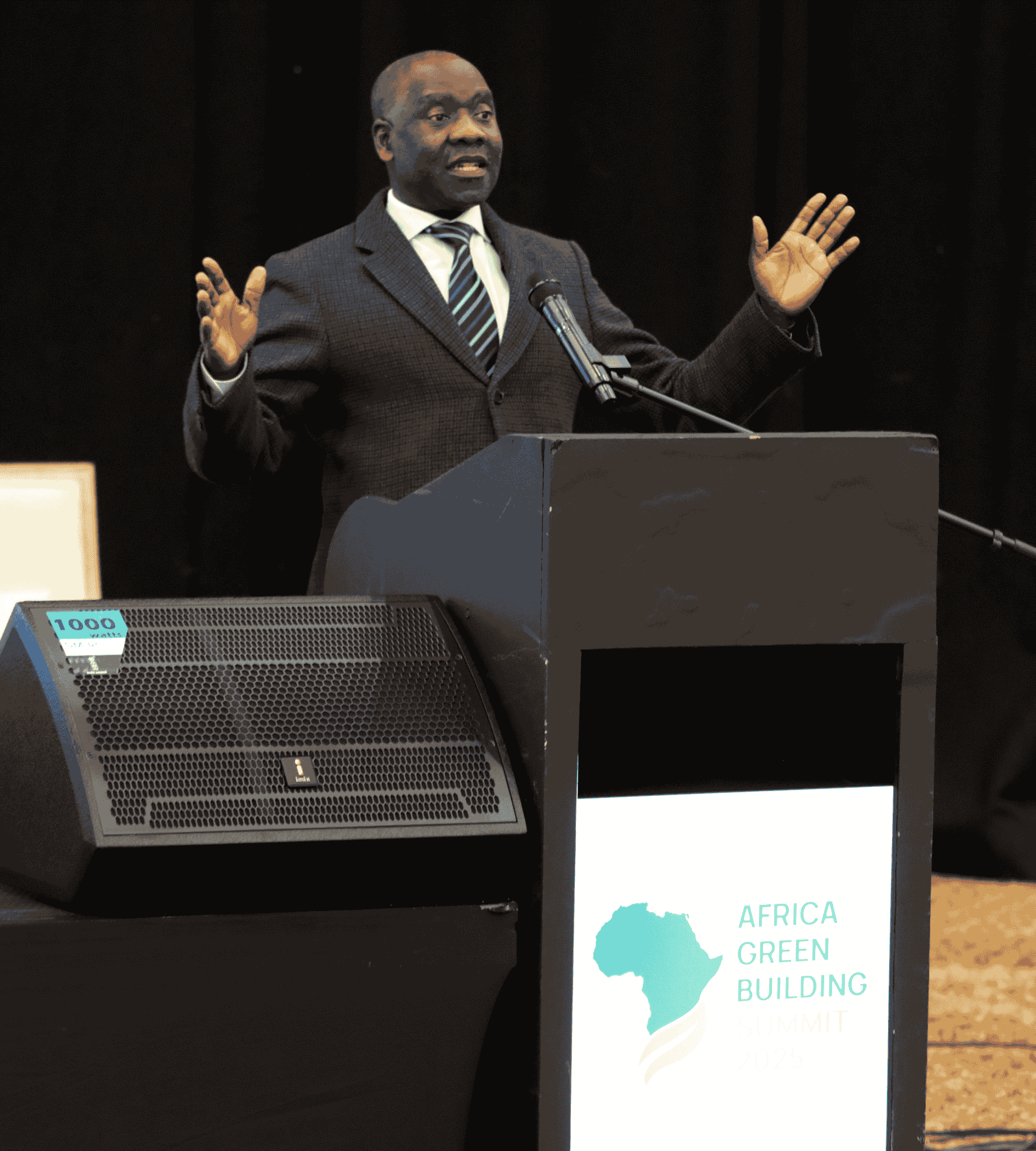
Mr. Cuthbert Ncube, Chairperson of the African Tourism Board, delivered a stirring keynote address, declaring the theme a “clarion call, a non-negotiable imperative” that resonates deeply with the core mandate of the African Tourism Board. He articulated that the vision for tourism on this continent is “inextricably linked to the vitality and sustainability of its environment”. Indeed, the built environment – from “burgeoning urban jungles to the iconic hospitality infrastructure that defines Africa’s tourism appeal” – is the “crucible in which Africa’s future will be forged”. He quipped, “They are not just building structures; they are crafting the very destination of their destiny – no pressure, of course!”
In a powerful call to action, Mr. Ncube underscored the “paramount duty” of African leaders to construct climate-resilient infrastructure. “This is not a choice; it is a fundamental pillar of a just transition for every single citizen of the continent,” he affirmed. He lauded Botswana, the gracious host, as a “shining beacon of this commitment”, citing its Nationally Determined Contributions and National Climate Change Policy as “powerful exemplars of integrating climate action directly into the fabric of its built environment”. These national blueprints are not mere documents, but “declarations of intent, vital instruments as the continent navigates the complex geopolitical landscape of climate change and relentlessly pursues sustainable development”.
The tourism sector, recognized as the “lifeblood of countless African economies”, now finds itself at a “pivotal crossroads” – much like a tourist choosing between a breathtaking mountain trek and a serene beach escape. While “inherently vulnerable to the relentless march of climate change”, it also possesses “immense potential to either exacerbate or mitigate emissions, depending on the path they choose”. Therefore, Mr. Ncube stressed that “their unwavering efforts to promote tourism must be meticulously aligned with the principles of green building and aggressive decarbonization”. This demands “nothing less than a revolutionary commitment to energy efficiency in existing structures” – because, let’s face it, no one wants a safari lodge that doubles as a wind tunnel! – “an enthusiastic embrace of retrofitting for superior energy performance”, and a “pioneering spirit in developing low-carbon innovations from the ground up”. This includes harnessing the “untapped potential of bioenergy, leveraging indigenous bioproducts, and deploying climate-smart technologies that are specifically tailored to the unique and diverse contexts of African nations”.
A crucial emphasis was placed on the “profound moral imperative of a ‘just transition'”. “As they engineer this monumental shift towards a green built environment, they must ensure, without exception, that no one is left behind,” Mr. Ncube declared. This is not merely an aspiration; it is a “political commitment”, as solid as any ancient baobab. It demands the “empowerment of local communities, the cultivation of truly inclusive practices, and the unwavering prioritization of its most vulnerable populations in every single infrastructure development”. Policies and governance structures “must be imbued with an unshakeable dedication to social equity, guaranteeing that the dividends of this green transformation are equitably distributed across all strata of society – from grassroots civil society organizations to multilateral development banks and global climate bodies”.
The summit’s deliberations
are characterized as “strategic negotiations”, encompassing critical areas from “policy frameworks to the strategic deployment of financing tools, from fostering subnational innovation to the judicious integration of Africa’s rich indigenous architectural heritage”. Mr. Ncube urged robust knowledge exchange, urgent dissemination of best practices with the speed of a charging rhino, and the forging of “unyielding alliances across government, the private sector, and civil society to unleash the transformative power of green finance and ignite a fundamental market revolution”.
Attendees were challenged to depart from the summit not with “lofty pronouncements, but with concrete, actionable plans”. The call was to “solidify partnerships that transcend national borders and sectoral silos”, much like Africa’s incredible migratory herds. The aim is to renew a solemn commitment to constructing an Africa that is “not only robustly resilient to the encroaching challenges of climate change but also flourishes economically and socially, propelled by the dynamism of a truly green built environment”.
Mr. Ncube concluded with a powerful statement, emphasizing that “the destiny of African tourism, and indeed the very future of this magnificent continent, hinges on their collective will and their decisive, courageous action, starting today”.
The Africa Green Building Summit 2025 continues through Friday, June 13, 2025, promising a dynamic exchange of ideas and the laying of strategic groundwork for a greener, more resilient Africa.